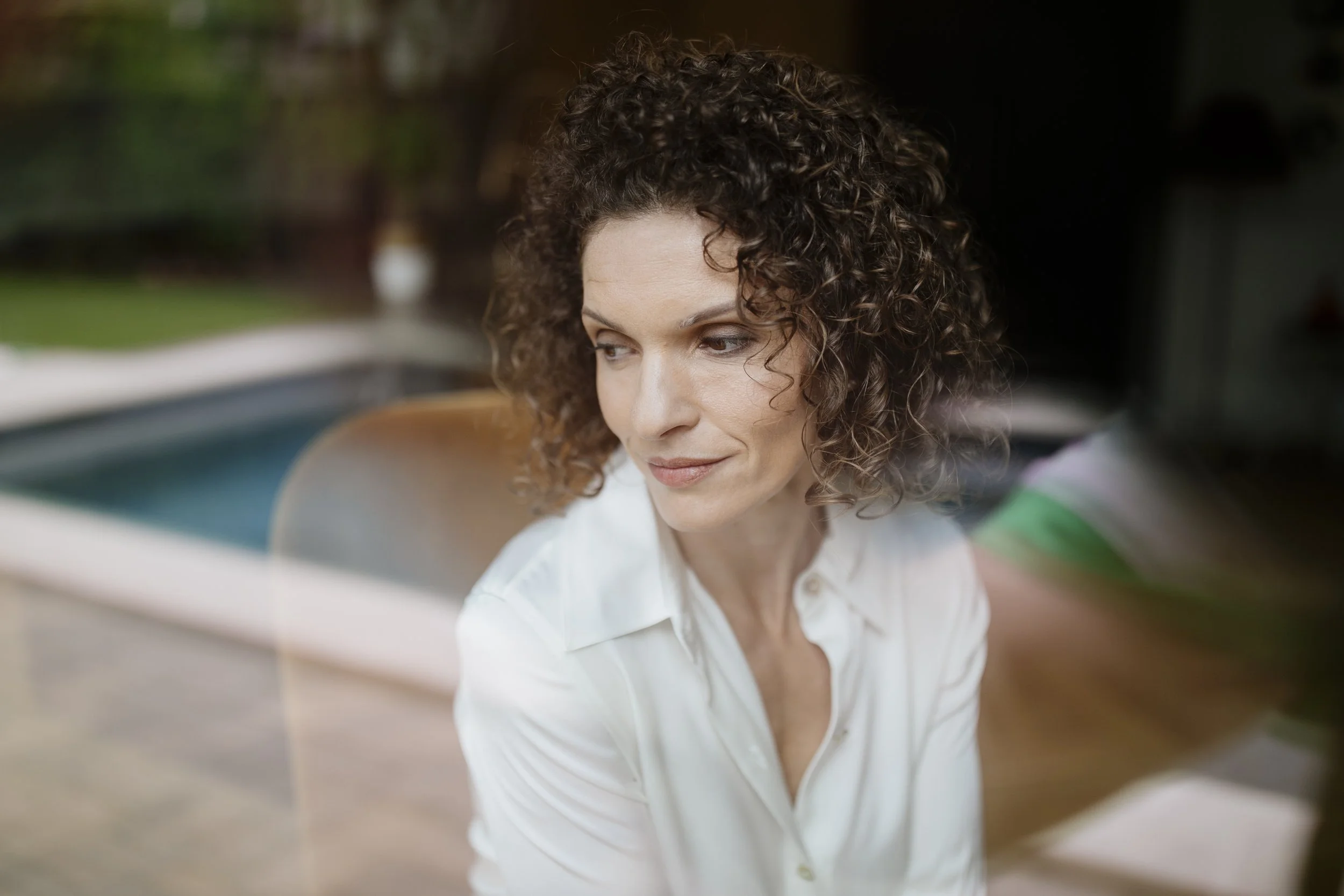
I was born into the divide.
ORIGIN STORY
I am a CODA. A Child of Deaf Adults. Born hearing, to two Deaf parents. My first language is American Sign Language. My second is the language of the room everyone else seemed to live in.
Three worlds: my parents' world, with its language and culture and strongly connected community. The hearing world, where everyone else seemed at home. And mine, which was neither, and both.
For most of my childhood, and a long way into my adult life, I had no idea where I belonged. I did what most of us do when we do not know where we belong. I put on a mask. I became what every room needed me to be.
A mask is anything you put on to make the room more comfortable with you, at the cost of your own comfort with yourself.
In the hearing world, I wore a mask of distance. People knew my parents were Deaf, but I kept them at arm's length from the people I most wanted to fit in with. I did not want to be different.
In the Deaf community, the community I loved, that felt like home in so many ways, I wore a mask of sameness. I started with paper towels stuffed in both ears. Then I upgraded. I had custom ear molds made and wore my mother's extra hearing aid so I could fit in.
Underneath all of it, the distance, the ear molds, the careful management of every room I walked into, I had built an entire performance. And I had no idea, not even a little, that fitting in and belonging are two very different things.
How I learned to listen.
VISUAL LISTENING
From the time I was born, I learned to listen with my eyes.
American Sign Language is a visual language. As a result, I communicate through a constant scan of everything in view. I can walk into a room and absorb almost everything in it: every face, every body language cue, every shift in energy. Not just hearing what is being said, but listening to what is not. I call it visual listening.
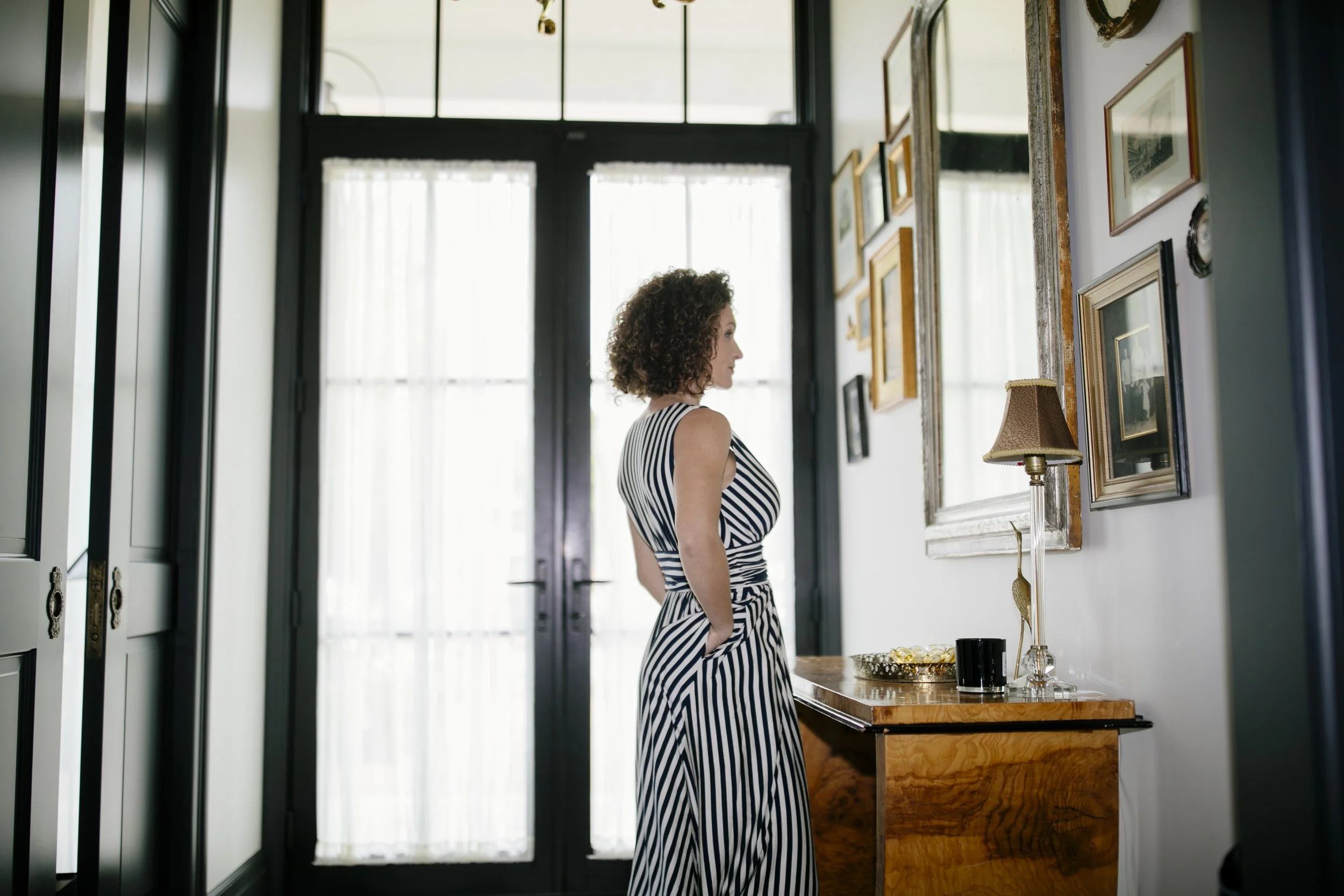
Coming home.
THE TURNING POINT
Today I own TCS Teams, a multimillion-dollar ecosystem of companies that provides communication access to the federal government, Fortune 100 enterprises, and the Deaf community my family has belonged to for three generations.
I did not build it in spite of the mask. I built it because I understood, more than most, what it costs to wear one. What it feels like to spend a life performing for rooms you are not sure you actually belong in.
Our mission is to remove the communication and education barriers between Deaf and hearing communities. When people can use their own language and express themselves freely, they don’t have to adjust who they are to be understood. They can simply be themselves, and in doing so, flourish.
In 2008, my parents, Deaf entrepreneurs who had built a business from nothing, were betrayed by someone they trusted. They called me. I left a career in corporate HR, walked into a company that needed rebuilding, and stayed. I hired and I fired. I learned and I failed. I tried things that should not have worked, and a number of them did.
I took the company from where I found it to a multimillion-dollar business, not because I had it figured out, but because I trusted myself enough to stay in the ring.
Every bridge I crossed taught me the same thing:
You think showing all of yourself is the risk. It is the return.
When belonging disappeared. Again.
THE SHIFT
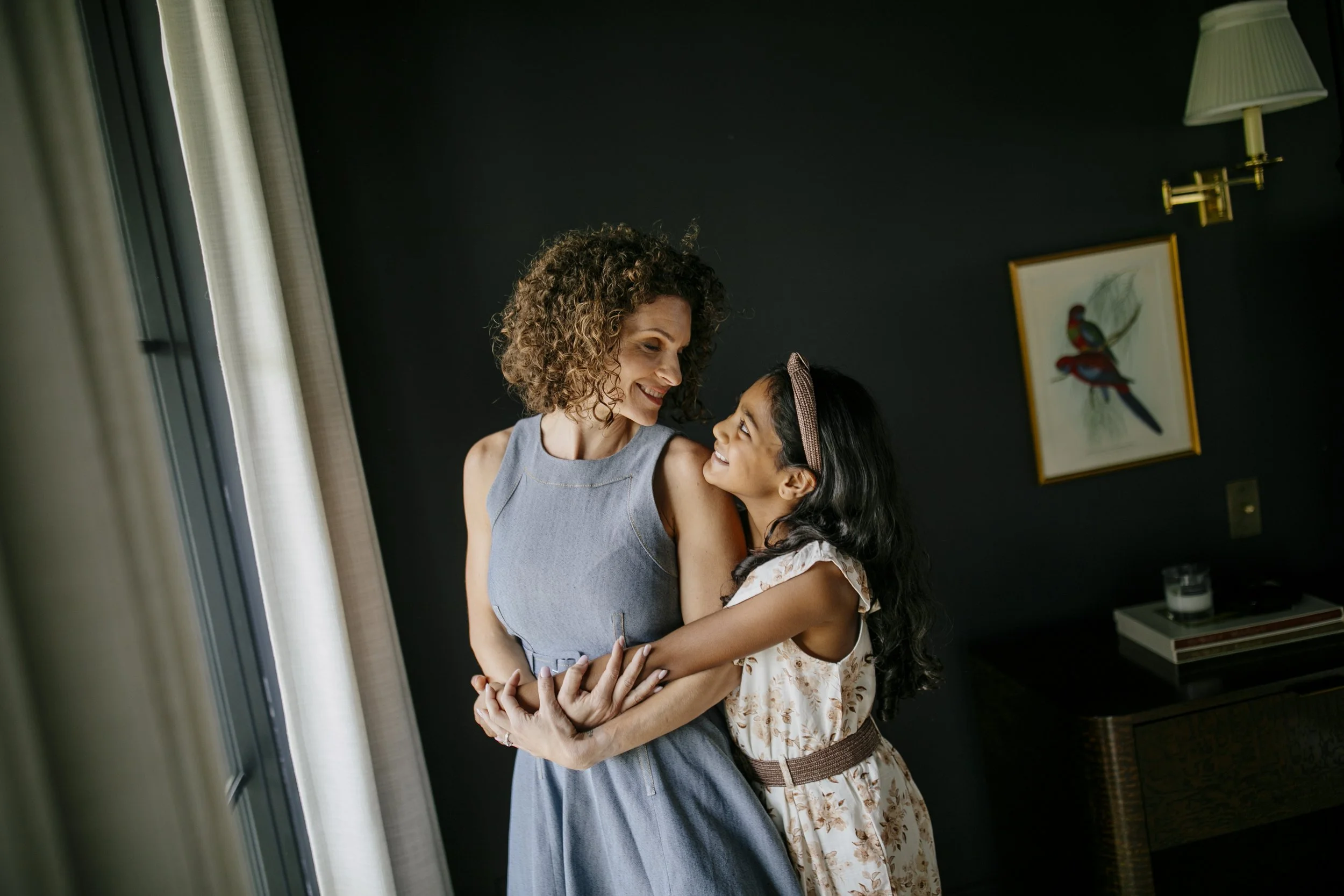
In my thirties, after two boys, I adopted a baby girl from India. Riley was Deaf, and fourteen months old, when we brought her home.
I will not pretend that was not part of the draw. Some quiet part of me was pulled toward finally belonging to someone who understood without translation.
I thought I was helping her find her way home.
She was helping me find mine.
Three weeks after she arrived, we discovered that she could hear. Fewer than two percent of children with her diagnosis spontaneously regain hearing before the age of two. She is in that two percent.
It was devastating. It still is, in ways I have stopped trying to talk myself out of. Not because I did not want her to hear. Because the belonging I thought I had finally found, disappeared.
Again.
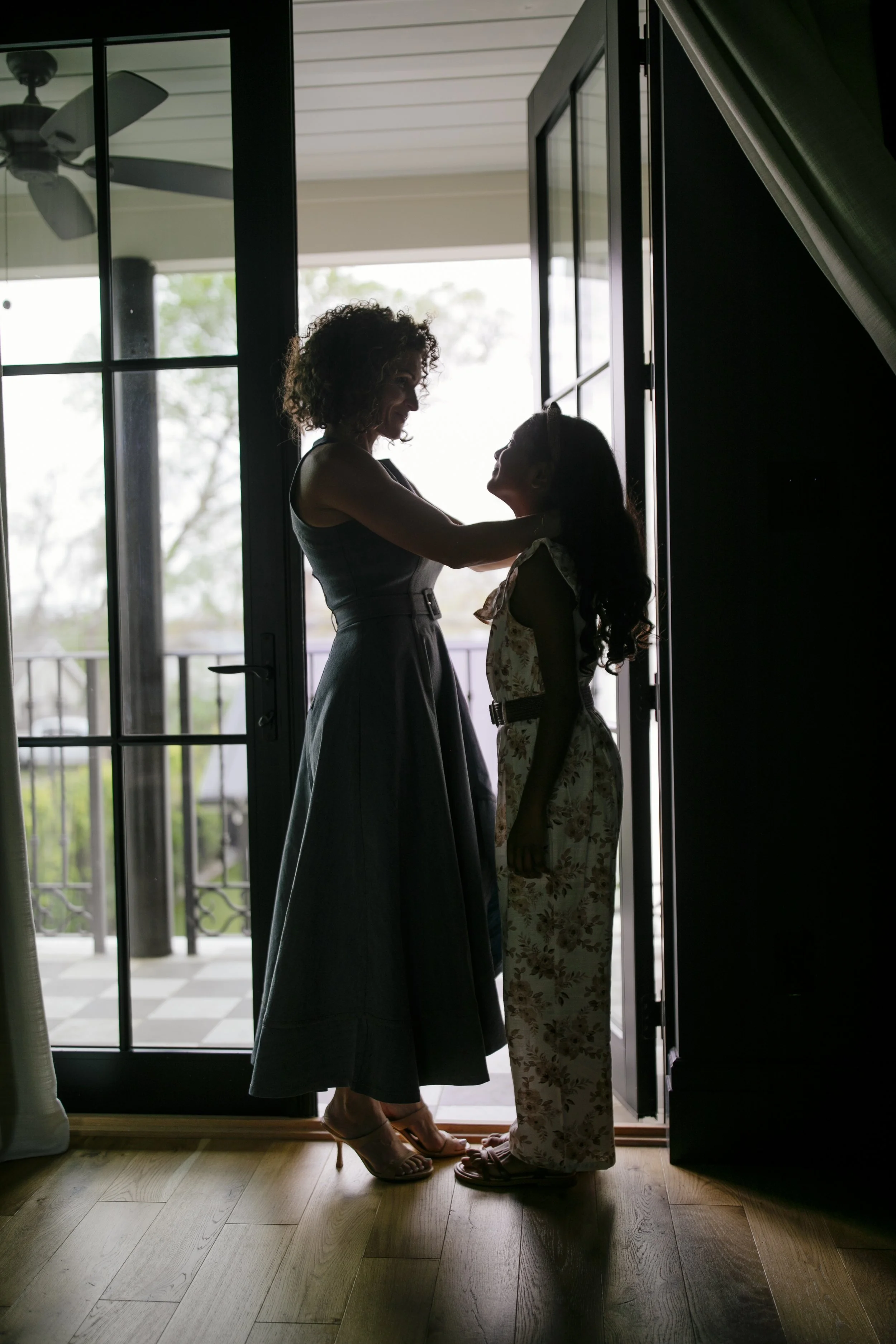
The moment I stopped
looking away.
THE DISCOVERY
Riley is ten now. A few months ago, we were sitting on her bed. She said, very quietly:
“Mom, I'm embarrassed that I have white parents.”
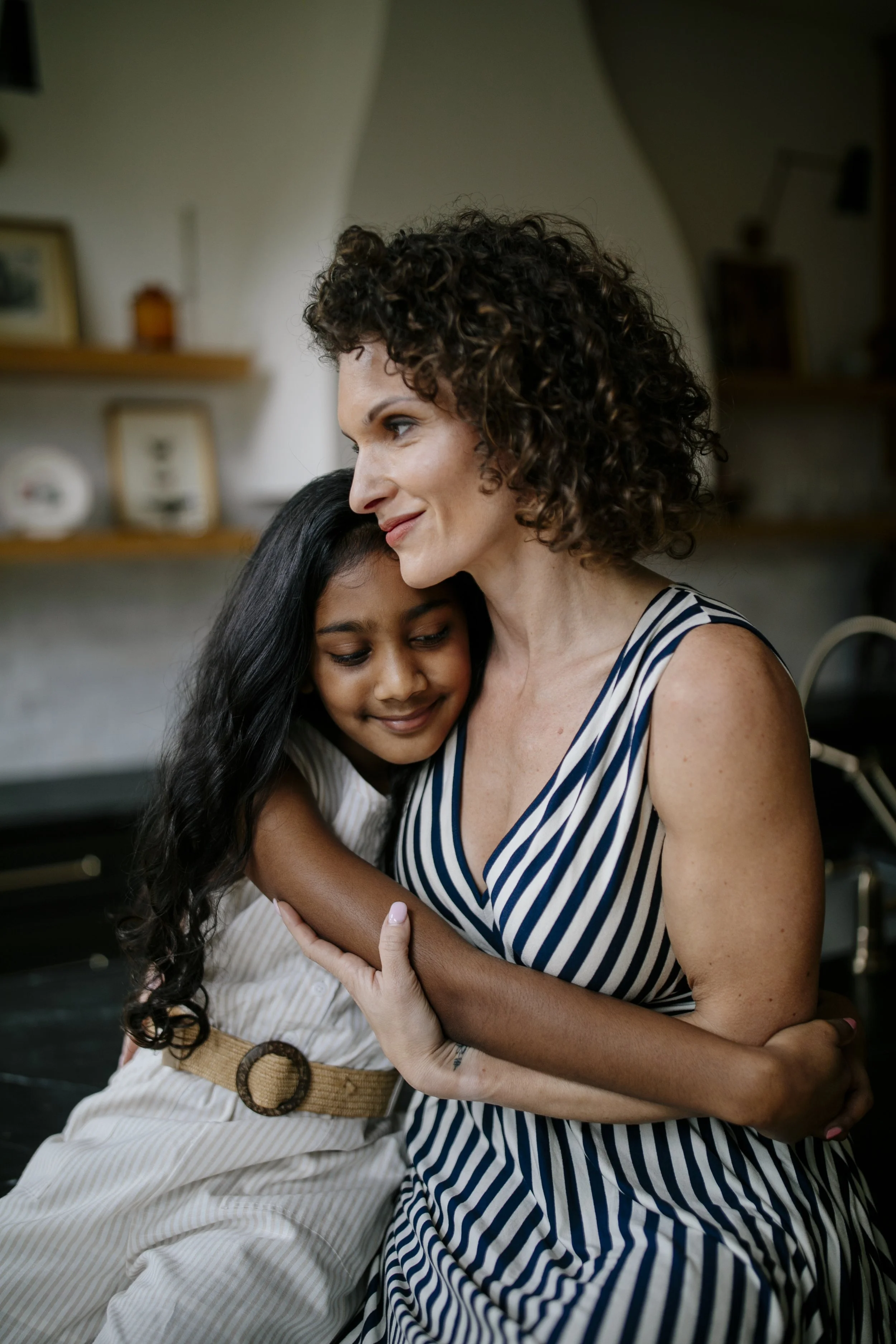
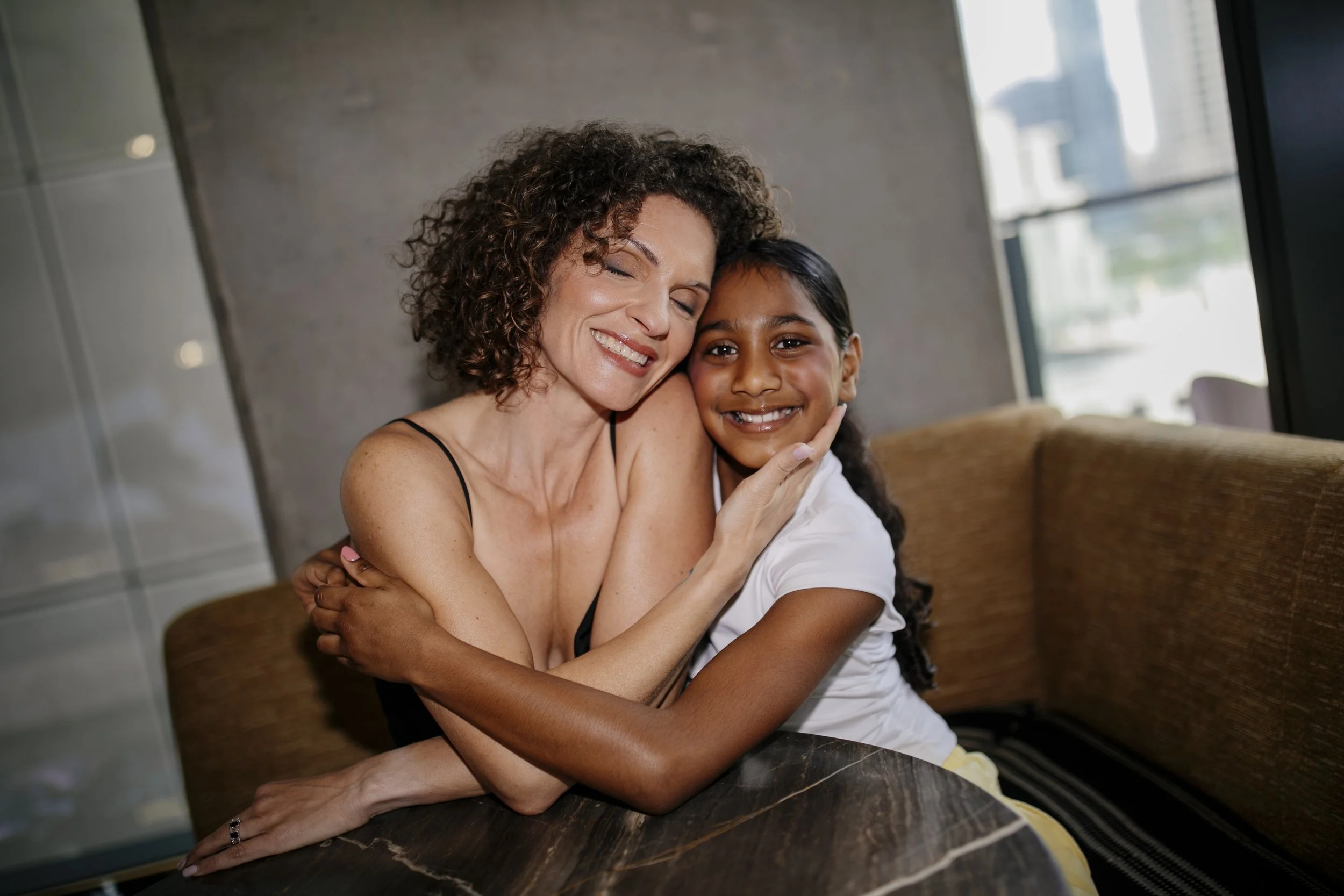
I pulled her close. Something happened that I cannot fully describe, because it was not a thought. It was not something I figured out.
It was recognition. Instant. Physical.
I had spent my entire childhood embarrassed that my parents were Deaf. Wishing I was like everyone else.
My daughter was not just telling me about herself. She was holding up a mirror. In it, I saw myself at her age, carrying the same weight.
For the first time, I did not look away.
That was the belonging my body had been longing for. Not the belonging of fitting in. The belonging of finally coming home to myself.
Not in a boardroom. Not from a research study. From a life lived at the intersection of every divide.
The blend was never the problem. It was always the path home.